

 In-Cabinet Gaseous Fire Suppression Systems
Localized Fire Protection for Electrical Panels and Sensitive Equipment
In-cabinet gaseous fire suppression systems are automatic fire suppression solutions designed for rapid and localized intervention against fires that may occur in closed volumes such as electrical panels, control cabinets, server cabinets, and similar enclosures.
Instead of traditionally protecting an entire room, it provides a compact and effective solution by ensuring the direct protection of the closed cabinet or equipment where the fire risk exists. Thus, it becomes possible to use the appropriate amount of extinguishing agent for the protected volume.
It is particularly preferred in applications where detecting a fire at its initial stage is critical and where electrical equipment could suffer severe depreciation due to fire.
How Does an In-Cabinet Gaseous Suppression System Work?
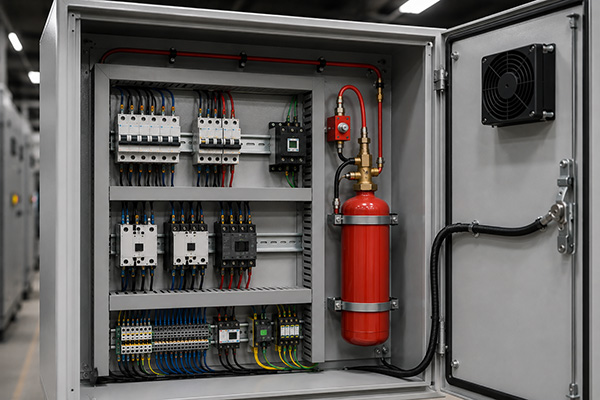
The main components of in-cabinet gaseous fire suppression systems consist of a cylinder where the extinguishing gas is stored, a cylinder control and discharge mechanism, and a heat-sensitive pneumatic detection tube that detects the fire.
The detection tube is routed appropriately through the fire-risk areas inside the protected panel or cabinet. The system is positioned to detect the heat generated by the fire directly at a point close to the risk source.
When fire or high temperatures affect the detection tube, the tube bursts under the triggering conditions determined by the manufacturer. The resulting pressure change activates the extinguishing mechanism, and the extinguishing agent is discharged into the protected area.
Thanks to this working principle, the goal is to intervene in the fire as early as possible without waiting for the fire to grow and spread to surrounding equipment.
Direct Type In-Cabinet Gaseous Suppression Systems
In direct type systems, the detection tube also acts as the discharge line for the extinguishing agent.
As a result of the heat's effect on the detection tube, the tube opens in the region close to the point where the fire is located, and the extinguishing agent is discharged directly into the fire zone through the newly formed opening.
This structure can be used especially in applications where a small and specific risk area needs to be protected, such as electrical panels and closed electrical cabinets.
Indirect Type In-Cabinet Gaseous Suppression Systems
In indirect type systems, the detection tube is used solely for the purpose of detecting fire or excessive temperature. The extinguishing agent is discharged into the protected area via a separate piping and nozzle network integrated into the system.
Areas of Application
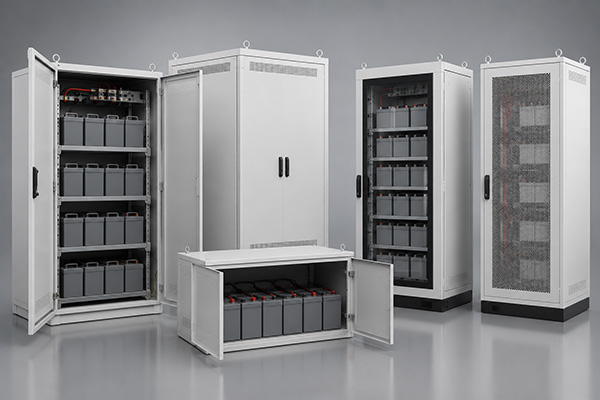 Battery Rooms and Cabinets
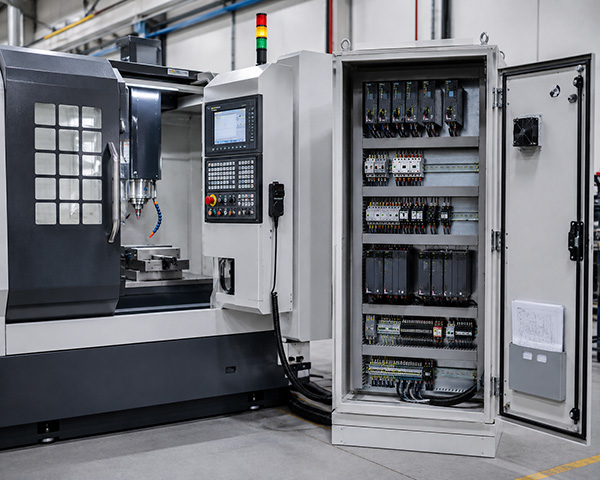 CNC Machines
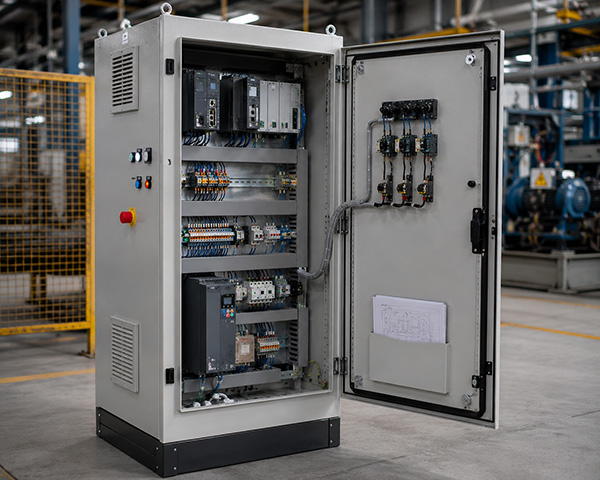 Industrial Panels
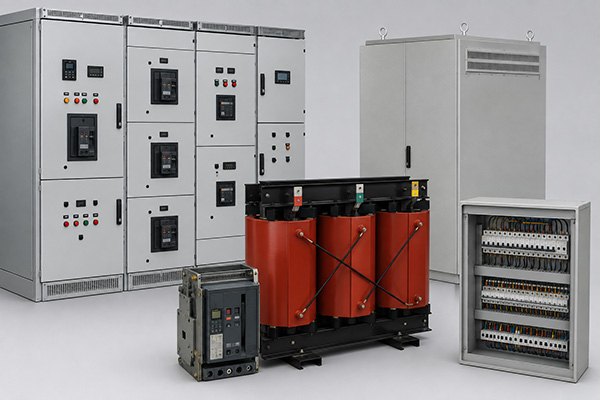 Power Distribution Panels
 Control Panels
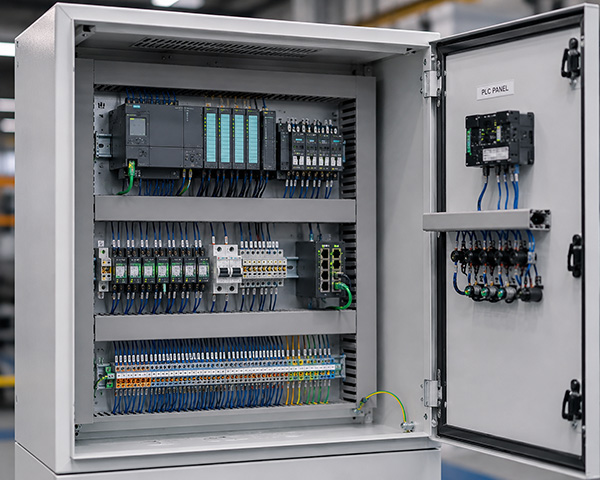 Automation Panels In-Cabinet Applications
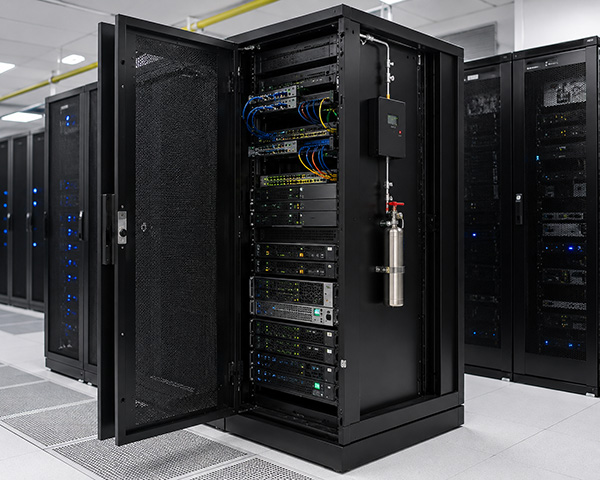 Server and Network Cabinets
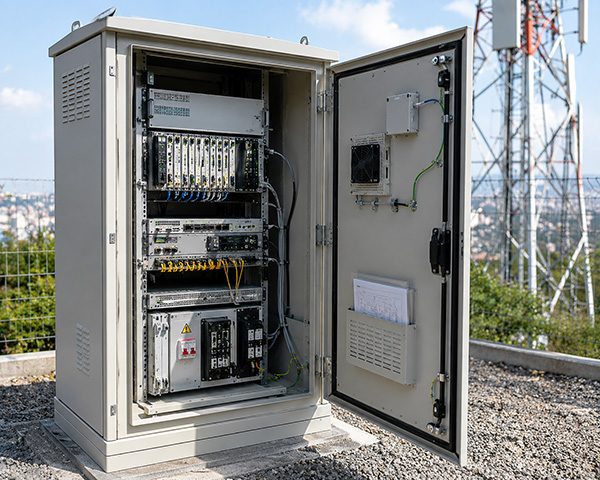 Telecommunication Panels
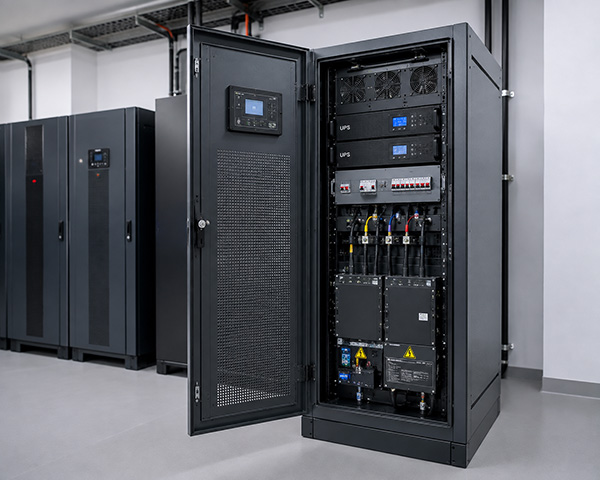 UPS Uninterruptible Power Supplies