

 What is a Fire Pump?
Fire pumps are critical fire safety equipment used to provide the necessary water flow rate and pressure in water-based fire suppression applications such as sprinkler systems, fire cabinets, hydrant systems, water mist, and similar setups. They ensure that during a fire, extinguishing water is delivered through the piping system to sprinklers, nozzles, or other fire suppression equipment at the required pressure.
The main methods used in fire suppression are water, foam, and gas suppression. In systems utilizing water and foam, pumps may be needed to deliver the extinguishing fluid to the system at the specified flow rate and pressure. Fire pumps are one of the fundamental components for the reliable operation of water-based systems, especially automatic sprinklers and hydrants.
The Difference Between Fire Pumps and Standard Water Pumps
Fire pumps are evaluated based on different design and reliability criteria compared to standard water pumps used for normal purposes. While continuous operation duration, energy efficiency, and operating costs are significant criteria for standard water pumps, the primary priority for fire pumps is the ability to operate reliably when needed and to provide the designed flow-pressure values.
Fire pumps are not run continuously under normal conditions; depending on the system's operating conditions, they are operated during testing, maintenance, and periodic checks. However, since a pump failure during a fire can directly affect firefighting capacity, pump selection, installation, testing, and maintenance are of utmost importance.
Considerations in Fire Pump Selection
- Required fire water flow rate
- Required minimum and maximum pressure values
- Building height and static pressure requirement
- Friction and local losses in the piping installation
- Capacity and location of the fire water tank
- Pump suction conditions and positive suction pressure
- Electrical power and backup power supply
- Selection of electric or diesel motor drive
- Capacity of the jockey pump and its role in maintaining system pressure
- Relevant standards and insurance conditions of the project
What are UL, FM, and NFPA?
| Document / Standard | Abbreviation | In Terms of Fire Pumps | In Terms of the Project |
| UL | Underwriters Laboratories | Indicates the testing and evaluation of fire safety equipment according to specific technical criteria. The correct UL coverage of the pump and related components must be checked. | If UL is requested in the specifications, the valid UL coverage of the product/model must be verified. |
| FM | FM Approvals – FM Global | Refers to the evaluation and approval of fire safety products according to FM criteria. Pump and driver coverage must be checked. | In projects with an FM requirement, the current approval and model coverage must be checked. |
| NFPA 20 | National Fire Protection Association | It is one of the main reference standards for the selection, design, installation, and related system requirements of stationary fire pumps. | The current NFPA 20 edition of the project, local regulations, and specifications should be evaluated together. |
| CE | European Union conformity mark | Declares the product's compliance with the requirements in applicable European Union legislation. It is not a performance approval of the same type as UL/FM. | The directive/regulation under CE scope and the manufacturer's declaration of conformity must be examined separately. |
Note: The scope of documents and standards such as UL, FM, NFPA, CE, EN, VdS, and LPCB differs from each other. In the final conformity assessment, the project specifications, current standard edition, manufacturer technical documents, and the validity scope of the relevant document should be checked together.
In the field of fire protection, UL, FM, and NFPA are among the globally widely referenced organizations and standard structures regarding the reliability of products, systems, and design applications. UL and FM stand out especially by evaluating and approving products according to specific technical criteria, while NFPA stands out with its standards determining the design, installation, testing, and operating criteria for fire safety systems.
What is a UL Certificate?
Founded in 1894, Underwriters Laboratories (UL) is an internationally recognized independent organization in the field of product safety and performance evaluations. In the fire safety sector, UL-listed or UL-approved products undergo tests and evaluations within the scope of the technical criteria specified in the relevant product standard.
In fire safety projects, the UL requirement usually arises in line with the project specifications, the demands of the insurance company, or the applicable standards. Therefore, it is important to check not only the brand or model of the product but also whether it possesses the correct UL listing/approval scope required for the project.
What are FM Certificate and FM Approvals?
FM Global is one of the major insurance organizations operating especially in the field of property and fire risk management. FM Approvals, on the other hand, carries out the processes of evaluating and approving products and equipment within the scope of specific FM criteria. FM criteria include comprehensive performance and reliability requirements for many fire safety equipments.
If FM approval is explicitly requested in a project, the fire pump and related equipment to be used must have the FM approval scope required by the project. Especially in facilities insured by FM Global, it is important to separately check the relevant project conditions.
What Does "UL/FM Approved" Mean?
How the expression "UL/FM approved" in a technical specification is interpreted depends on the project's specifications and the demands of the insurance company. While it is possible to accept either UL or FM approvals in some projects, specific FM approval or the provision of both approvals together may be required in others. The final requirement should be determined by examining the conditions of the project specification, employer, consultant, relevant authority, and insurance company.
What is NFPA 20?
NFPA 20 is one of the most important reference standards for the selection of fire pumps and the design and installation of related pump systems. It aims to evaluate the pump, driver, control equipment, piping, and auxiliary components according to specific criteria to ensure the reliable operation of fire pump sets.
NFPA standards are updated in line with technological developments, new materials, test results, and experiences gained from fire incidents. Therefore, it is important to continuously check the NFPA edition to be used in the design of a project as well as the project conditions.
How Does a Fire Pump Work?
Fire pumps can be designed to activate automatically according to the pressure and flow rate needs in the fire suppression system. When sprinkler heads open or another water demand occurs in the system, the pressure in the piping system drops. When the pressure reaches the predetermined starting level, the pump control system ensures that the relevant pump is activated.
In systems featuring electric motor-driven pumps, an alternative or backup power source can be used depending on the project's reliability requirements. This source can be a separate generator or another energy solution suitable for project conditions. In the event the main electric pump fails to operate, a diesel motor-driven backup pump can be activated depending on the system design.
The Role of the Jockey Pump
A jockey pump is a small-capacity auxiliary pump that helps maintain the pressure of the fire suppression system under normal standby conditions. It helps reduce unnecessary starting of the main fire pump in the event of minor pressure drops caused by small leaks, temperature changes, or similar reasons.
During a fire, when a sprinkler or another extinguishing equipment opens, the resulting larger flow demand exceeds the jockey pump's capacity, and the necessary pressure drop occurs to activate the main fire pump.
Electric and Diesel Motor Fire Pumps
Electric motor and diesel motor pump arrangements can be used in fire pump sets. The electric motor pump can serve as the main pump when there is a suitable and reliable electrical supply. The diesel motor pump, on the other hand, can be considered as a backup driver or as the main pump in cases where the project requires it.
When selecting a pump driver, in addition to the nominal motor power, the power requirement within the pump's operating range, the reliability of the energy source, control panel features, and project conditions must all be evaluated together.
Fire Pump Installation and Pump Room
Installing the fire pump correctly is just as important as selecting it correctly. The layout of the pump room should be planned considering the pump, motor, control panels, valves, test line, piping, fuel tank, and maintenance access.
- Fixing pumps and motors on a suitable foundation
- Proper arrangement of suction and discharge piping
- Positioning valves accessibly and in the correct direction
- Ensuring pressure gauges and test equipment are accessible
- Providing adequate fuel and ventilation conditions in diesel motor systems
- Placing control panels in an appropriate and protected location
- Leaving sufficient working space for maintenance and testing operations
- Checking pump performance during the commissioning and testing phases
Fire Pump Testing and Periodic Maintenance
The reliability of fire pump systems is not limited only to the initial installation. Regular testing and maintenance work helps keep the pump ready for operation when needed. The scope of the checks should be determined according to project requirements, the equipment used, and applicable standards.
- Checking the automatic and manual operation of the pump
- Checking starting and operating pressures
- Checking pressure gauges and measuring equipment
- Checking the position and accessibility of valves
- Checking the electric motor and control panel
- Checking fuel, batteries, and auxiliary equipment in diesel motor systems
- Checking the start and stop settings of the jockey pump
- Performance check via test line or flow measurement equipment
- Checking the general physical condition of the pump room
- Keeping regular maintenance and test records
Areas of Application of Fire Pumps
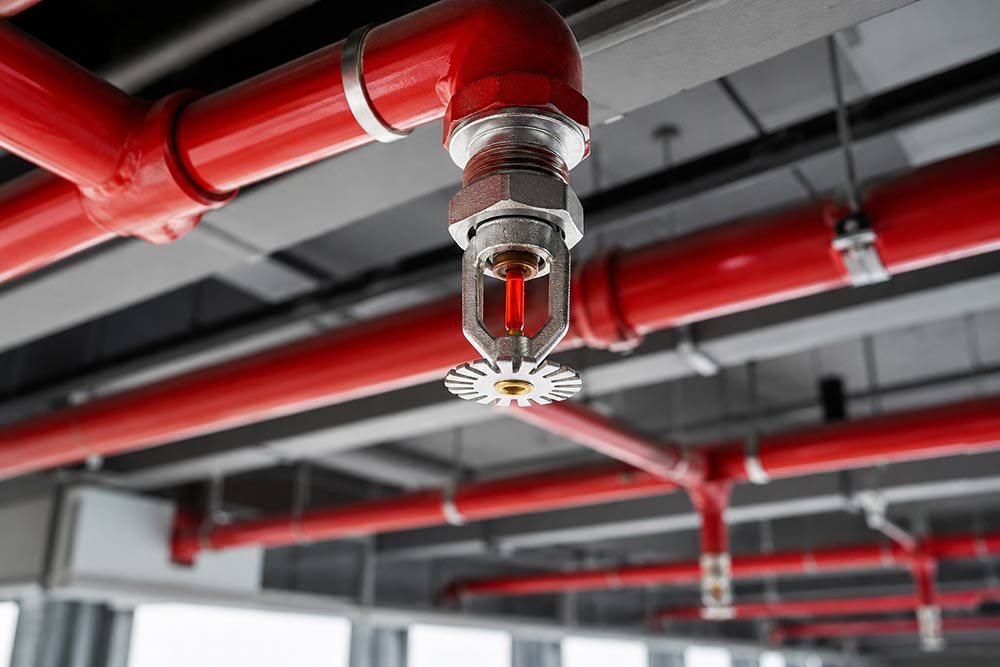 Automatic Sprinkler Systems
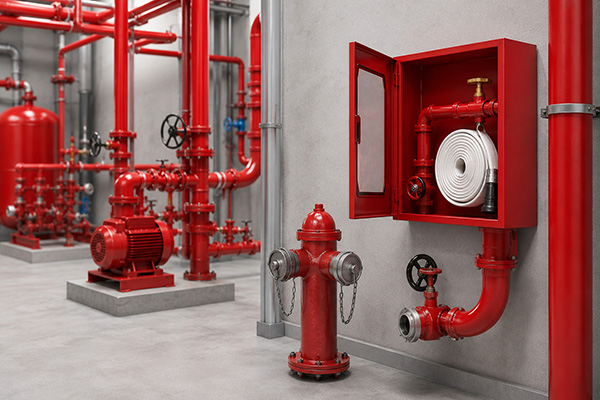 Fire Hydrant Systems
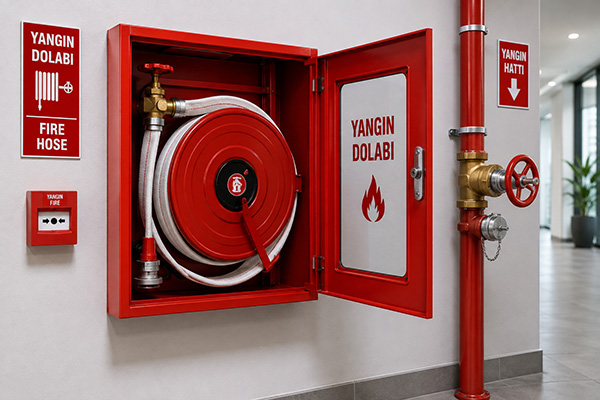 Fire Cabinet and Hose Systems
 Industrial Facilities
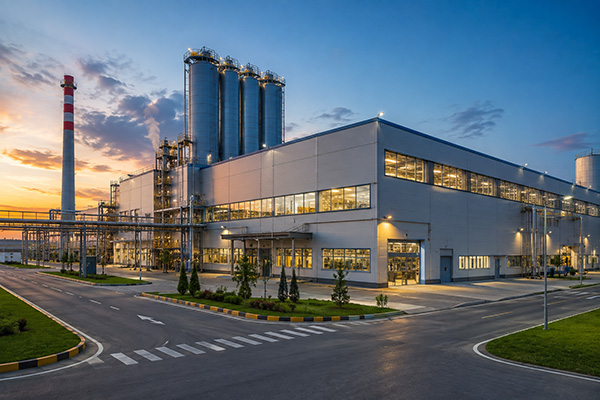 Factories and Production Facilities
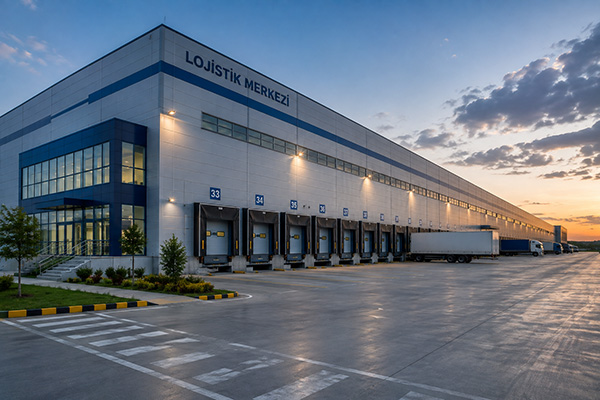 Warehouse and Logistics Centers
 Malls and Commercial Buildings
 Hotel and Accommodation Facilities
 Hospital and Healthcare Facilities
 Residential and High-Rise Buildings
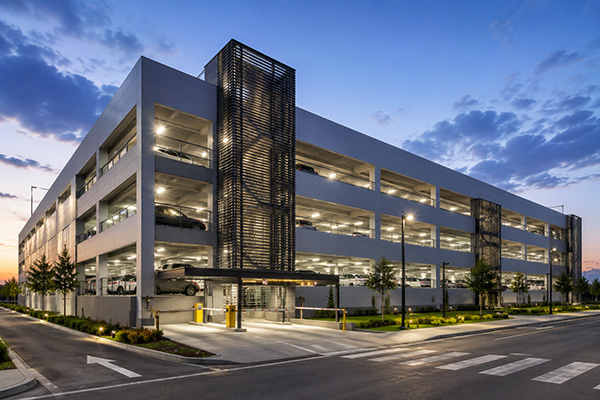 Parking Lots and Indoor Areas
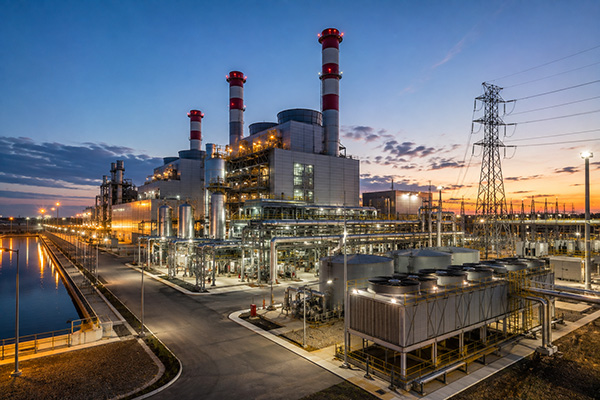 Energy, Infrastructure, and Critical Facilities
Professional Service in Fire Pump Systems
In fire pump systems, managing the processes of determining project needs, selecting pump capacity, configuring equipment properly, installation, commissioning, testing, and periodic maintenance as a whole is crucial for system reliability.
In buildings with residential, commercial, industrial, and different intended uses; it aims to create the appropriate fire pump solution by evaluating the fire risk, hydraulic requirements, water source, building characteristics, and project conditions. During the application process, relevant standards, technical specifications, and necessary approval criteria are taken into consideration.