

Foam Fire Suppression Systems
Foam fire suppression systems are automatic and/or manual fire suppression systems used to extinguish flammable liquids, liquid chemicals, and fuels.
Foam Fire Suppression Systems
Foam fire suppression systems are fire suppression systems used to extinguish fires caused by flammable liquids, liquid chemicals, and fuels. Foam discharged onto flammable materials in the event of a fire helps prevent the fire from growing and assists in bringing it under control. Therefore, foam fire suppression systems are among important extinguishing solutions used especially in areas containing flammable liquids and fuels.
Foam suppression systems can be designed automatically and/or manually. Depending on the application method of the system, different applications such as foam hoses, tank suppression systems, foam monitor systems, and foam generators can be used. Foam suppression systems are very effective especially in extinguishing Class A and B fires.
The primary purpose of foam application is to help prevent the development of the fire by covering the surface of the flammable liquid. The layer formed by the foam on the liquid surface contributes to bringing the fire under control while also helping the suppression process to be carried out effectively.
How Do Foam Fire Suppression Systems Work?
Foam suppression systems use a foam solution created by mixing water and foam concentrate. Foam concentrate is mixed with water to generate a foam solution. This resulting solution is then converted into a foam structure containing air bubbles using a mechanical mixer.
When the resulting foam is sprayed onto the flammable liquid during a fire, it forms a thin layer on the liquid surface. This layer helps cut off the contact of the flammable liquid with air. At the same time, a cooling effect occurs due to the water contained in the foam.
The foam layer covering the flammable liquid surface helps prevent the formation of flammable vapor. Thanks to the surface being covered with foam, a separation is formed between the flame and the flammable liquid. Thus, while the growth of the fire is brought under control, it helps reduce the probability of re-ignition.
This working principle is one of the main reasons why foam fire suppression systems are used in applications containing flammable liquids, liquid chemicals, and fuels. Foam helps bring the fire under control through its features of covering the surface, cutting off contact with air, and creating a cooling effect.
Types of Foam Concentrate
The foam concentrate to be used in foam suppression systems plays an important role in the system application. The foam concentrates used in the systems are of four different types: protein foam concentrate, fluoroprotein foam concentrate, alcohol-type foam concentrate, and synthetic foam concentrate.
Different foam concentrates are used in different application areas. Therefore, the foam concentrate to be used within the foam suppression system is evaluated according to the characteristics of the flammable or combustible substance in the application area.
1. Protein Foam Concentrate
Protein foam concentrate is one of the foam concentrate types used in foam suppression systems. Protein foam concentrate is diluted with water to form a solution at a rate of 3% to 6%.
Protein foam concentrate is used especially for crude oil fires. The foam solution created by mixing with water at the specified ratio is converted into foam bubbles within the system and used in fire application.
2. Fluoroprotein Foam Concentrate
Fluoroprotein foam concentrate is a type of foam concentrate displaying similar characteristics to protein foam concentrate. It spreads as a film layer helping to suppress flammable vapor over the liquid-form combustible.
Fluoroprotein foam concentrate is diluted with water to form a solution at a rate of 3% to 6%. It can be used in crude oil or refined petroleum fires. Thanks to this feature, it is one of the preferred concentrate types within foam suppression systems for fire risks involving flammable liquids.
3. Alcohol-Type Foam Concentrate
Alcohol-type foam concentrate is a type of foam concentrate used in fire protection of specific flammable liquids and solvents. It is used especially in applications containing certain flammable liquids that could cause damage if normal foam were used.
Alcohol-type foam concentrate can be included within foam suppression systems used particularly in chemical tankers and similar applications. Its purpose of use is to provide foam suppression application against fire risks created by specific flammable liquids and solvents.
4. Synthetic Foam Concentrate
Synthetic foam concentrate covers AFFF and foam concentrates with medium & high expansion capabilities. It is used to obtain foam-solution ratios ranging from 20/1 to 1000/1 depending on the application.
Synthetic foam concentrates are suitable for local protection and engine room protection. They help create the appropriate foam structure according to the application area of the foam suppression system.
Expansion Ratios in Foam Suppression Systems
Foam suppression systems can possess low and medium/high expansion properties. The expansion ratio of the foam expresses the structure of the formed foam bubbles and the amount of foam obtained within the system.
In low-expansion foam systems, the bubble expansion ratio is lower than 20/1. The amount of water contained within the foam bubbles in these systems is higher. Low-expansion foam can be used in applications aimed at covering the flammable liquid surface with foam.
In medium and high-expansion foam systems, on the other hand, the expansion ratio can rise up to 1000/1. In these types of foam systems, the water amount is less and the foam bubbles are lighter. Medium and high-expansion foam applications can be evaluated for different protection needs according to the usage area of the system.
Foam Suppression System Equipment
Foam suppression systems consist of different equipment depending on the application area and the working method of the system. Different equipment can be used to deliver the foam solution to the fire zone and perform foam application.
- Foam sprinklers and nozzles
- Foam chamber
- Foam monitor
- High-expansion foam generator
- Foam concentrate
Protection Provided by Foam Suppression Systems
The primary feature of foam suppression systems is that they help bring the fire under control by covering the surface of the flammable liquid with foam. The foam layer limits the contact of the flammable liquid with air and creates different protection effects during a fire.
- They prevent the contact of flammable vapor with oxygen.
- They prevent the vaporization of the flammable liquid during a fire.
- They separate the flames from the flammable liquid surface.
- They cool metal surfaces in contact with the flammable material.
Application Areas of Foam Suppression Systems
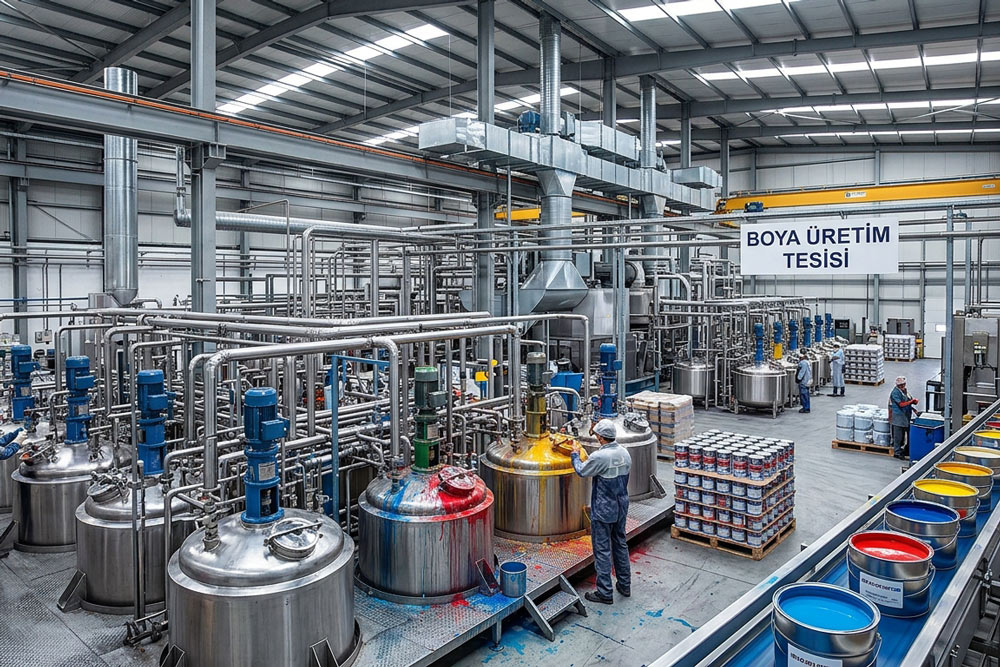 Paint manufacturing factories
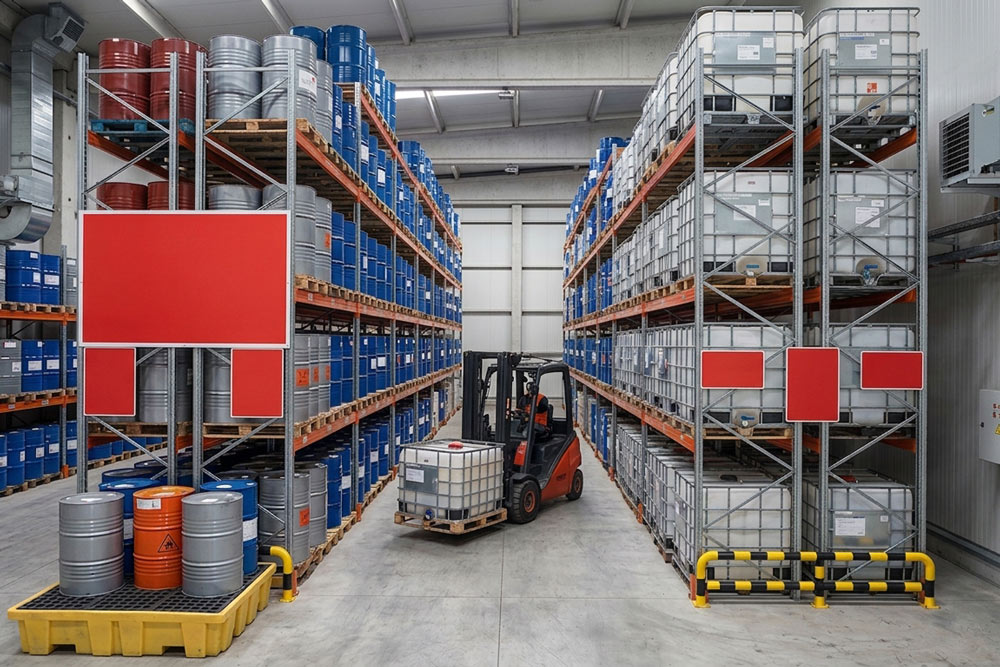 Chemical warehouses
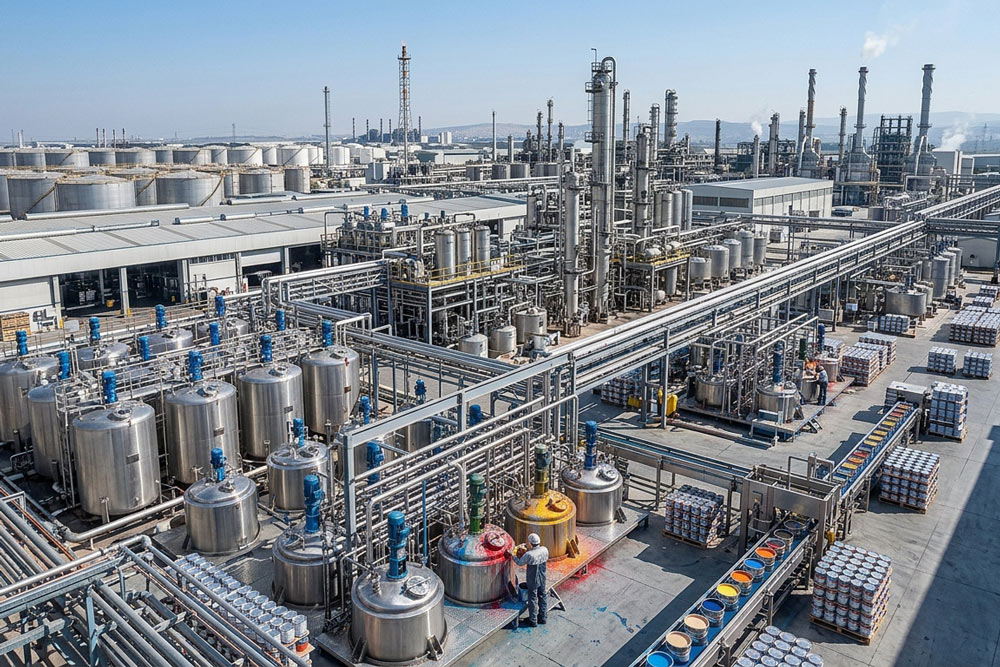 Chemical industry
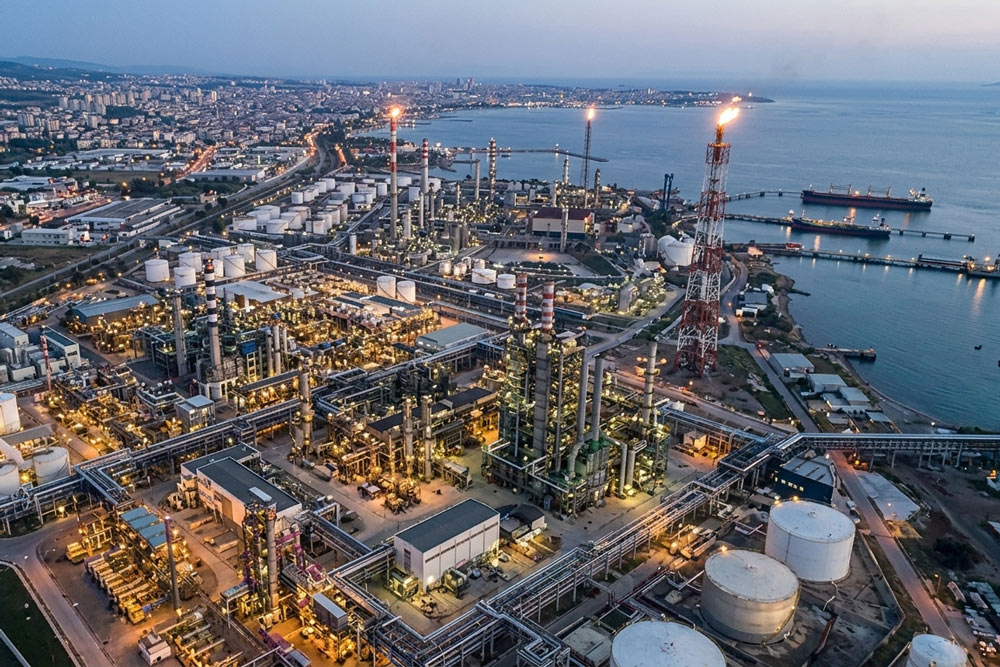 Petroleum refineries
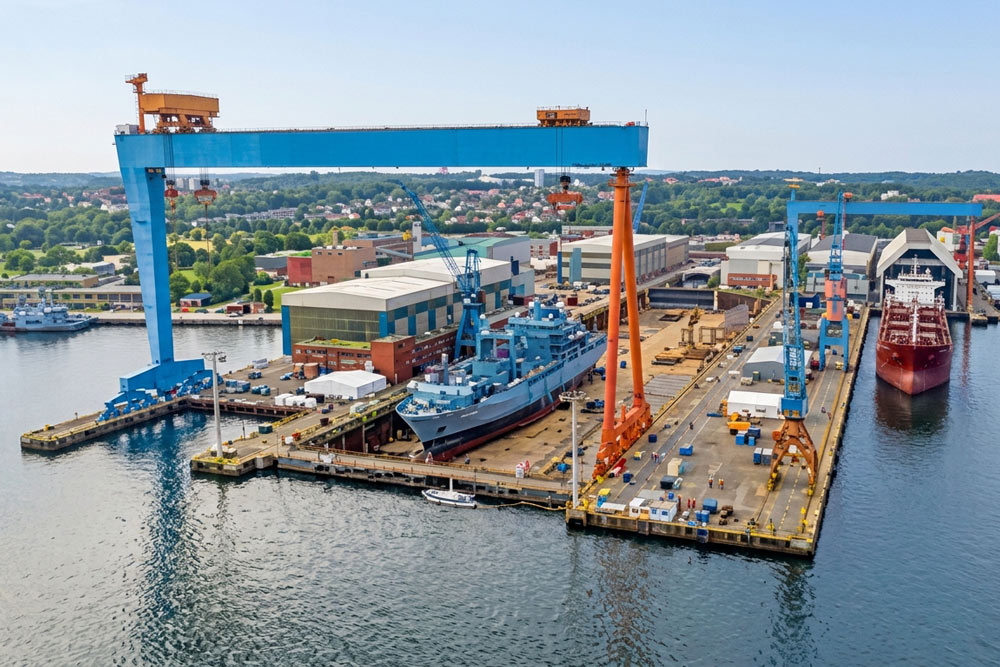 Shipyards
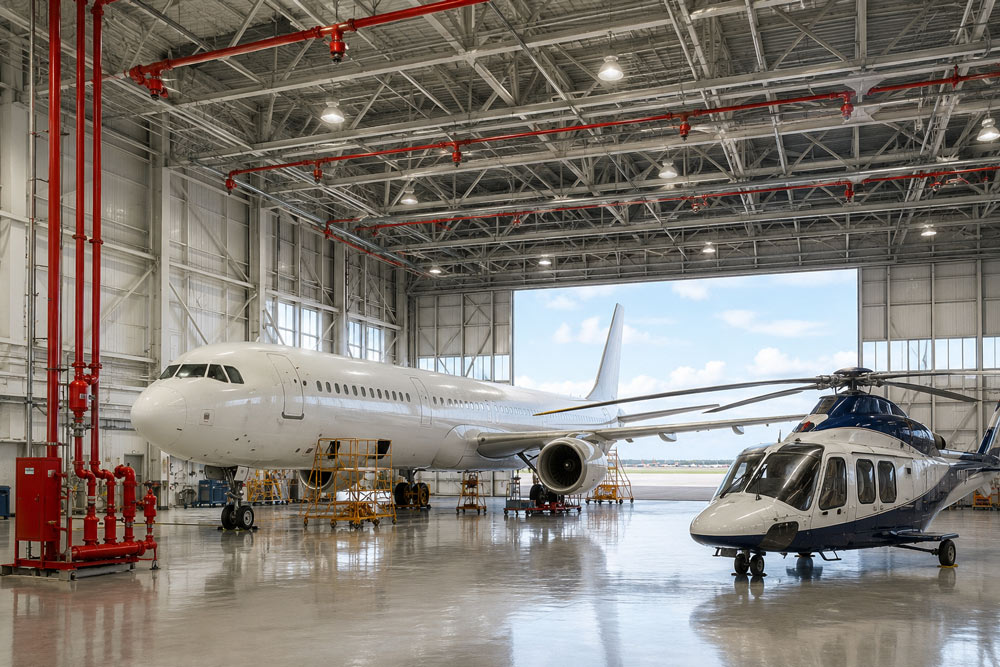 Aircraft and helicopter hangars
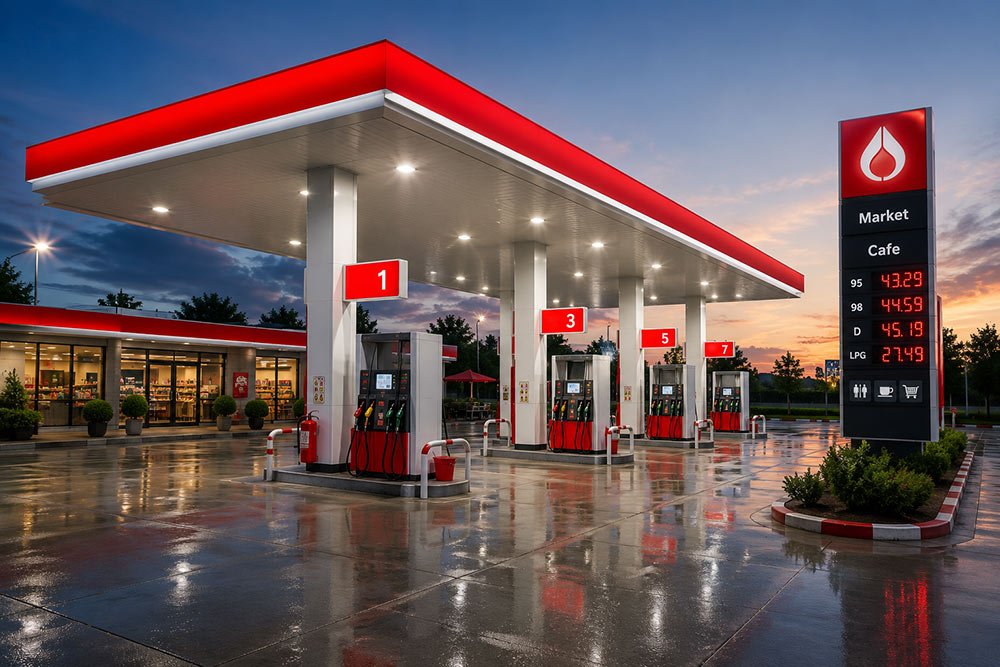 Fuel stations
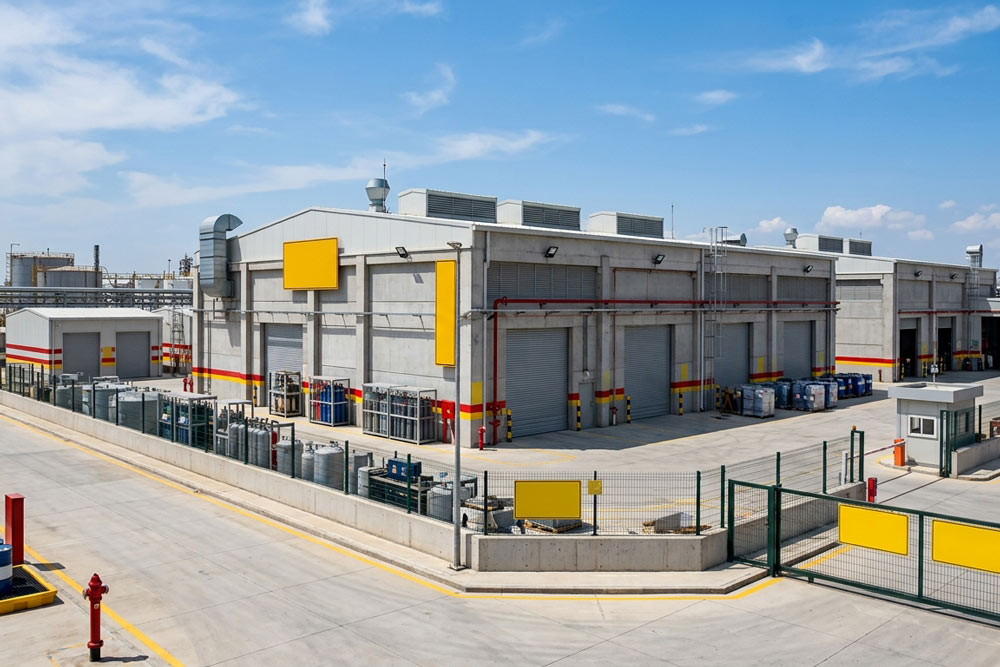 Flammable and combustible warehouses
Foam Hoses and Foam Suppression Applications
Foam hoses are one of the different application options of foam suppression systems. They are used to deliver the foam solution to the fire zone in areas where foam application is needed.
Foam suppression systems are not limited solely to foam hoses. Tank suppression systems, foam monitor systems, and foam generators are also among different application options. These applications are evaluated according to the usage area of the foam suppression system.
Tank Suppression Systems
Tank suppression systems are one of the application areas of foam suppression systems. The primary application approach in tanks containing flammable liquids is the application of foam onto the flammable substance in case of a fire and covering the surface with a foam layer.
Equipment such as a foam chamber and foam monitor can be used in tank suppression applications. The equipment used is determined according to the application method of the foam suppression system.
Foam Monitor Systems
Foam monitor systems are one of the equipment used in foam suppression applications. A foam monitor is the application equipment that ensures the foam is directed to the fire zone.
Foam monitor systems can be used for applying foam to the fire zone, especially in different application areas where foam suppression systems are utilized. Petroleum refineries, shipyards, fuel stations, and areas containing flammable materials are among the application areas of foam suppression systems.
High-Expansion Foam Generators
High-expansion foam generators are equipment used in foam suppression systems to create foam possessing high expansion properties. In high-expansion foam systems, the expansion ratio can rise up to 1000/1.
In these types of foam systems, the water amount is less and the foam bubbles are lighter. Foam concentrates possessing medium and high expansion features, which are among synthetic foam concentrates, are suitable for local and engine room protection.