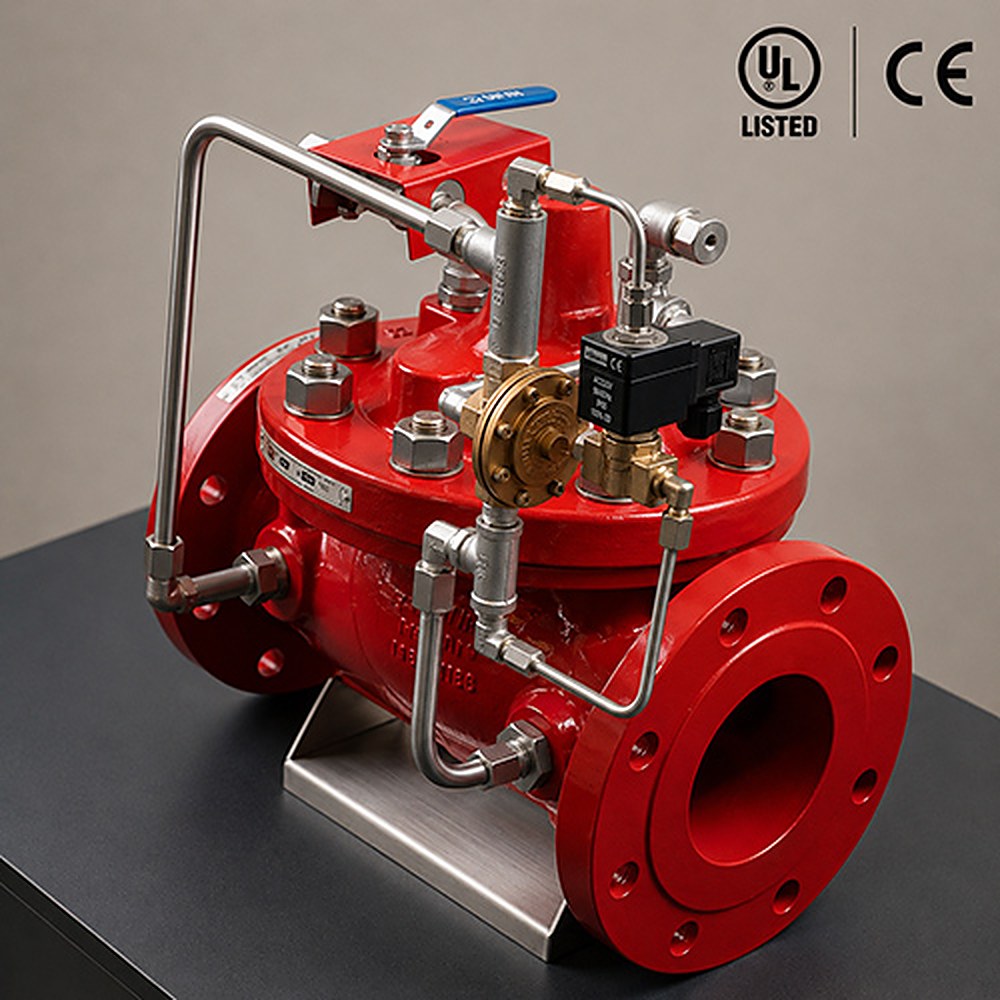
Internationally Approved Product
 ULListed
 FMApproved
 CEMarked
Waterfall
 End suction centrifugal pumps are a type of centrifugal pump where water enters the pump impeller from the suction end, and the suction line is generally positioned parallel to the motor. Especially in applications where specific flow and pressure requirements can be met, they are preferred due to their economical initial investment cost and compact layout advantages.
The flow and pressure values required by the system are fundamental criteria in pump selection. Under suitable operating conditions, end suction pumps can be considered for applications where investment cost is important and the parallel layout of the pump set provides an advantage.
In end suction centrifugal pumps, water enters the pump from one side of the impeller. Energy is transferred to the water as the pump impeller rotates, enabling the pressurization of the water. Positioning the suction line parallel to the motor can provide a space advantage in the layout of the pump set in suitable projects.
Because the impeller receives water from only one side, it is not possible to use separate bearing support on both sides of the impeller in the pump construction. Bearing support is mostly provided by the motor. This structure is one of the important technical features affecting the pump's design and operating conditions.
One of the prominent advantages of end suction centrifugal pumps is their low initial investment cost. When a suitable model meeting the required flow and pressure values is found, it can be evaluated as an economical solution.
In applications where the end suction pump set is used with a diesel engine, it may be possible to position the engine close to the wall and parallel to the pump. This layout can help utilize the space in the pump room more efficiently in suitable designs.
In pump room design, the positions of equipment, maintenance areas, and necessary working distances must be evaluated together. Therefore, not only the space covered by the pump set but also the access areas that may be needed during maintenance and service should be taken into account during the project phase.

You can watch our YouTube Video for Detailed Information About End Suction Pumps.
One of the significant disadvantages of end suction centrifugal pumps arises during maintenance operations. In cases where access to the pump impeller is required or the impeller needs to be removed from the pump casing, dismantling the motor may be necessary depending on the pump's structure.
Maintenance procedures requiring the dismantling of the motor can increase service time and the scope of work required during maintenance. Therefore, when selecting a pump, not only the initial investment cost and performance values but also long-term maintenance requirements should be evaluated.
When selecting an end suction centrifugal pump, the flow and pressure values required by the system must first be determined. The pump's ability to meet these operating conditions is the primary selection criterion.
| Feature | Value |
|---|---|
| Discharge Flange | DN 65 – DN 100 |
| Casing Pressure | 16 Bar |
| Maximum Working Pressure | 10.4 Bar |
| Flow Range | 22.7 – 170 m³/h |
 Industrial facilities
 Factories
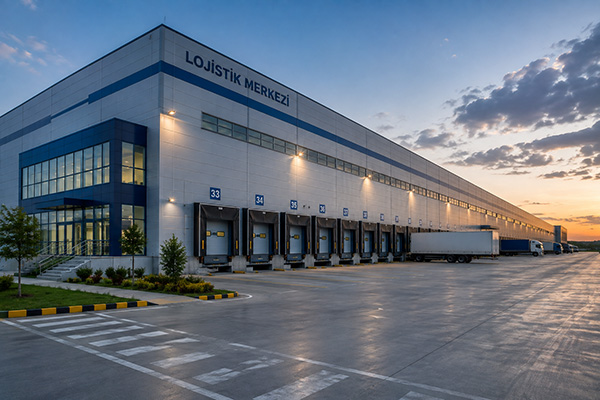 Warehouses and logistics centers
 Commercial and large-scale structures